Block Renovation Logo
Renovation StudioNew
How It Works
Locations
Gallery
Resources

Kitchen Renovation Costs in Chicago IL

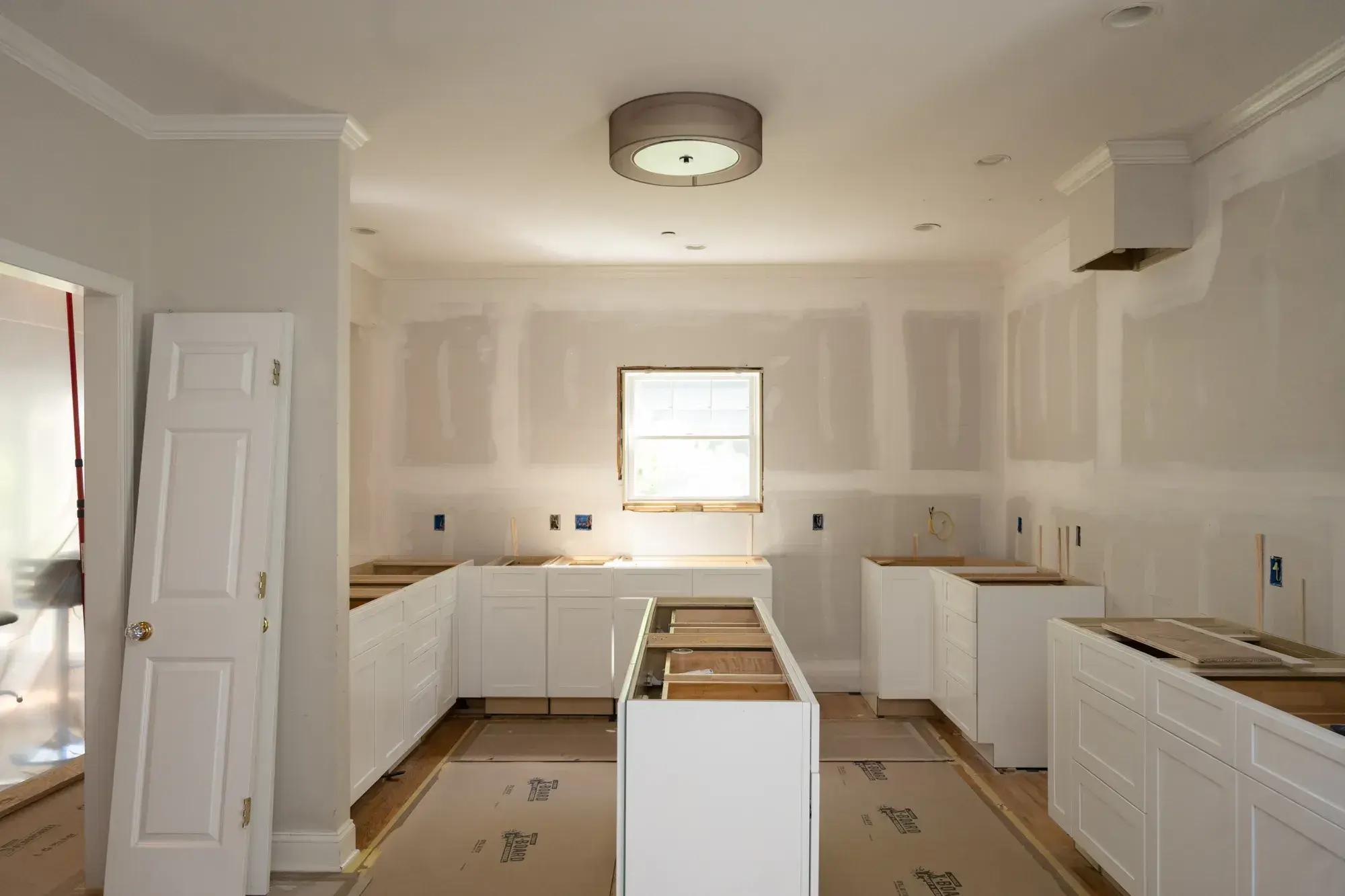
Chicago has accumulated 9,342 kitchen renovation permits since early 2021, reflecting sustained and substantial renovation activity across one of the nation's largest urban markets. That volume underscores steady homeowner investment in kitchens throughout the city's diverse neighborhoods. At an average project cost of $60,573, Chicago renovations run roughly 30% above the national average of $46,623 - a gap that reflects higher urban labor costs, the complexity of renovating multi-unit buildings and vintage greystone homes, and demand for quality finishes across the city's varied housing stock. Whether you're refreshing a condo kitchen in Lincoln Park or overhauling a vintage two-flat in Logan Square, the data below gives you a clear picture of what Chicago homeowners are actually spending.
Get Estimate
Kitchen renovation

Average Project Costs

$60,573

vs National Average

30% above

How does your renovation budget compare in Chicago?


Your Budget$60,573
$0$255,000

This is right around the average renovation cost in Chicago.

How we calculate these costs

A renovation permit is official documentation filed with the local Department of Buildings when homeowners undertake construction work. It serves as proof that work is being done to code and represents your best data point for understanding real kitchen renovation costs in Chicago. The declared permit value - the estimated cost submitted by contractors or homeowners when filing - provides a reliable baseline for typical project investments, though actual costs may vary. This analysis focuses exclusively on kitchen renovation permits, excluding other room types and new construction to ensure the data accurately reflects what homeowners like you are spending on kitchen upgrades.

Cost calculation methodology for Chicago

Cost data summary

Typical kitchen remodeling cost data in Chicago, IL based on renovation permits.


Meet kitchen contractors serving Chicago

Block Renovation partners exclusively with top-rated Chicago contractors who meet our strict standards for quality, reliability, and customer satisfaction. Every professional in our network is vetted, licensed, and committed to delivering exceptional kitchen renovations.
Top-rated contractors serving Chicago

Understanding labor costs in Chicago

Labor costs in Chicago run consistently above national averages across all kitchen renovation trades. General contractors typically charge 20-40% more than the national average, driven by the city's higher cost of living, strong union presence, and licensing requirements. Plumbers and electricians also command a premium - often 15-45% above national rates - reflecting both Chicago's aging housing stock, which frequently surfaces unforeseen code and infrastructure work, and the concentration of skilled tradespeople in a competitive urban market. Cabinet makers and finish carpenters similarly price above national norms. These elevated labor costs are a primary reason Chicago's average renovation spend exceeds the national baseline, and homeowners should budget accordingly when planning their project scope.

General Contractor

$85-$110

per hour

Plumber

$100-$130

per hour

Electrician

$95-$125

per hour

Cabinet Maker

$100-$130

per hour

Design and budget your next renovation with our free AI tool

A great renovation brings together style, layout, and cost in a way that works for your life. Renovation Studio, our free AI-powered tool, helps you create a personalized plan that aligns your vision with your space and budget.

Visualize diverse remodeling options

See how design decisions affect your budget in real time

Save and share project plans to guide your renovation journey
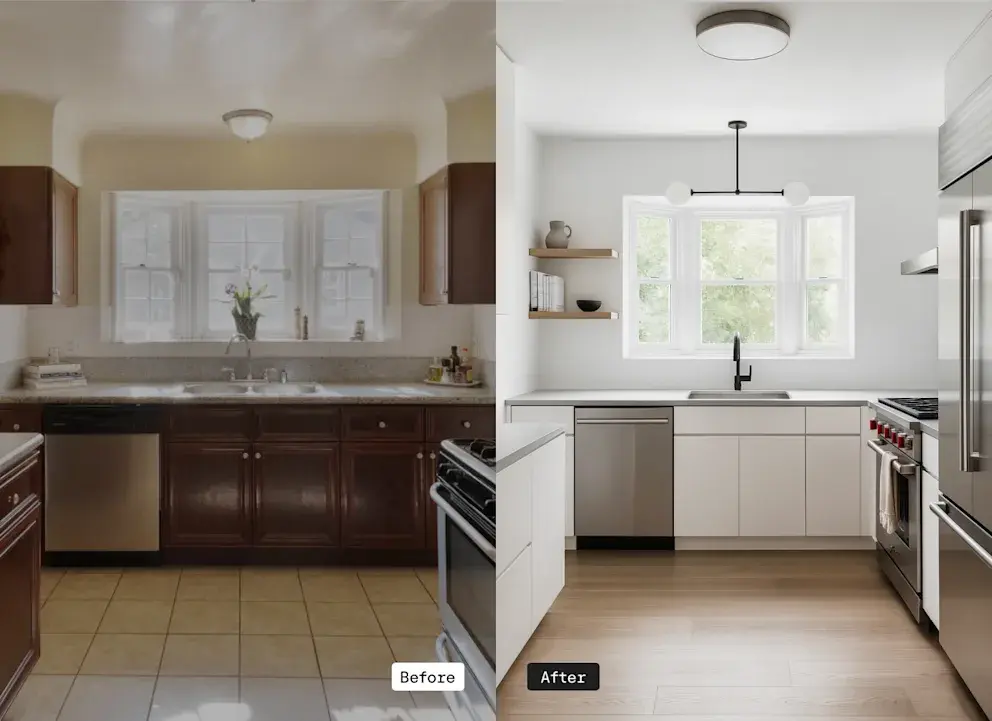
Renovation Studio kitchen design tool

How Chicago compares to other cities

Monthly renovation permit activity in Chicago over the past 5 years.


Average Renovation Cost by City

Columbus

$62,926

4% higher
Nashville

$44,187

27% lower
Louisville

$44,186

27% lower
Detroit

$36,154

40% lower
Indianapolis

$25,338

58% lower
Milwaukee

$18,249

70% lower

Regional insights for Chicago kitchen remodeling costs

Chicago's average renovation cost stands well above most of its regional peer cities. Milwaukee comes in dramatically lower - less than a third of Chicago's average - making it one of the most affordable comparable markets in the Midwest. Indianapolis similarly prices well below Chicago, reflecting that city's lower cost of living and labor market. Detroit and Louisville both show moderate costs, roughly 25-40% below Chicago's average, while Nashville tracks at a comparable level to Louisville. Columbus is the closest regional peer, with costs approaching Chicago's level. For homeowners comparing contractor quotes across metro areas, Chicago's pricing reflects its urban market conditions and should not be benchmarked against these lower-cost Midwestern cities.

How Chicago compares to state & national averages

Understanding how kitchen remodeling costs stack up against national benchmarks helps you budget more accurately.


Average in Chicago

$60,573

IL State Average

$67,557

US National Average

$46,623

vs National Average

+29.9

Cost Comparison

Local vs. National Insights

Chicago's average kitchen renovation cost of $60,573 sits about 30% above the national average of $46,623, but notably below the Illinois state average of $67,557 by roughly 10%. This positions Chicago as a mid-to-premium renovation market - above the national baseline due to urban labor rates and housing stock complexity, yet slightly more moderate than the statewide figure, which likely reflects high-cost suburban markets pulling the state average upward. For Chicago homeowners, local benchmarks are the most reliable planning guide; national estimates will tend to understate your true project cost, while the state average may slightly overstate it depending on your neighborhood and project type.

Seasonal kitchen renovation trends

Month-by-month patterns in kitchen renovation costs and permit activity in Chicago.


Average Renovation Cost

Avg. Cost

Data represents 5-year average trends (2021-2026) to smooth out year-to-year variations and reveal consistent seasonal patterns in Chicago's kitchen renovation market.

Peak Season

Late Summer Drives the Biggest Projects

August and September are Chicago's busiest renovation months by permit volume, with September hitting the highest count of any month. August also carries the highest average project value - suggesting that larger, more ambitious renovations cluster in late summer. June and July see strong activity as well, with above-average project costs that reflect homeowners pushing through major work before fall schedules tighten.

Transitional Months

Spring Ramps Up, Fall Stays Active

March through May mark a steady spring ramp-up, with volume jumping sharply from the winter lows of February. April shows above-average project costs alongside strong permit counts. October and November remain reasonably active as homeowners finish projects before winter, though volume begins to ease through the fall shoulder season.

Slower Period

Winter Brings Quieter Starts and Potential Opportunities

December and February are the quietest months for Chicago kitchen renovations - both in permit volume and average project size. Chicago's harsh winters discourage new starts, and contractors tend to have more availability during this stretch. Homeowners willing to plan and begin their project in the off-season may find more scheduling flexibility and potentially more competitive contractor pricing.

About this data

Here's how we collect, process, and present kitchen renovation cost data for Chicago.

Permit Data Explained

Renovation permits are filed with the Department of Buildings when homeowners undertake construction. The declared permit value - the estimated cost submitted by contractors - serves as a reliable proxy for actual kitchen renovation costs in Chicago.

Data Scope

We analyze residential kitchen renovation permits only, excluding commercial projects and new construction. This ensures the data reflects what homeowners are actually spending on kitchen renovations in Chicago.

Source and Methodology

9,342 permits sourced from Chicago DOB open data via BuildZoom, covering Mar 2021 to Jan 2026. Records are validated and filtered to remove duplicates and incomplete filings.

Permit Data Explained

Renovation permits are filed with the Department of Buildings when homeowners undertake construction. The declared permit value - the estimated cost submitted by contractors - serves as a reliable proxy for actual kitchen renovation costs in Chicago.

Data Scope

We analyze residential kitchen renovation permits only, excluding commercial projects and new construction. This ensures the data reflects what homeowners are actually spending on kitchen renovations in Chicago.

Source and Methodology

9,342 permits sourced from Chicago DOB open data via BuildZoom, covering Mar 2021 to Jan 2026. Records are validated and filtered to remove duplicates and incomplete filings.

Permit data provided by BuildZoom. Data last updated Jan 2026.
© 2026 Block Renovation. All rights reserved.

Ready to start your Chicago renovation?

Easily compare quotes from top quality contractors in Chicago, and get peace of mind with warranty & price protections.

Top quality contractors

Warranty & price protections

Expert resources

Kitchen renovation in Chicago

Learn more about kitchen renovations

Expert advice and practical tips for planning your Chicago kitchen renovation.


Frequently asked questions about renovating in Chicago

How should Chicago's extreme temperature swings affect my kitchen material choices?

Chicago's climate - with winter lows well below freezing and humid summers that push into the 90s - puts real stress on kitchen materials. For flooring, avoid solid hardwood in areas near exterior walls or below grade; engineered hardwood or porcelain tile handle expansion and contraction far better. Cabinet finishes matter too: high-humidity summers can cause doors to warp if the wood isn't properly sealed or if you're using lower-quality particleboard boxes. For countertops, quartz outperforms natural stone in freeze-thaw cycles because it's non-porous and won't absorb moisture. If your kitchen has an exterior wall, ensure adequate insulation behind cabinets to prevent cold-wall condensation. Chicago's climate rewards materials built for durability over aesthetics alone - and a good local contractor will know exactly which products perform through the full four-season cycle.

Do permit timelines vary significantly across Chicago's neighborhoods and municipalities?

Yes, permit timelines in Chicago can vary meaningfully depending on the scope of work and your property type. The Chicago Department of Buildings handles permits for the city proper, and straightforward kitchen remodels that don't involve structural changes, electrical panel upgrades, or plumbing rerouting can often be approved in a few weeks through the easy permit or self-certification program. More complex projects - like removing a load-bearing wall or adding a gas line - require full plan review, which can add 4-8 weeks or more. If your home is in a landmark district or has a historic designation, additional review layers apply. Homeowners in the suburbs surrounding Chicago deal with their own municipal building departments, and timelines vary considerably - some suburban municipalities are faster than the city, others are slower. Always ask your contractor to factor permit lead time into the project schedule.

What are worthwhile kitchen upgrades to make if I plan on selling my Chicago home within the next few years?

In Chicago's competitive real estate market, kitchen upgrades that signal quality without over-improving for the neighborhood tend to deliver the best return. Replacing dated cabinet fronts or painting and re-facing existing boxes with new hardware is one of the most cost-effective updates - buyers notice cabinets immediately. New countertops, particularly quartz, consistently impress and photograph well for listings. If your appliances are more than 10 years old, replacing them with matching stainless steel mid-range models (not luxury brands) tends to resonate with buyers across Chicago price points. Updating lighting - under-cabinet LED strips, a new pendant over an island - is inexpensive and modernizes the feel. In Chicago's two-flat and multi-unit market, open-concept kitchen conversions can add real value where the layout allows. Focus on finishes that appeal broadly rather than personal taste; neutral tones and clean lines age better in the resale market.

What are some Chicago kitchen upgrades that can help lower my utility bill?

Chicago's cold winters mean your kitchen's energy efficiency can have a real impact on annual utility costs. Start with appliances: replacing older refrigerators, dishwashers, and ranges with ENERGY STAR-certified models can reduce appliance energy use by 10-30%. LED lighting throughout - including under-cabinet fixtures - uses a fraction of the electricity of incandescent or halogen setups. If your renovation involves opening walls, adding or improving insulation behind exterior-wall cabinets helps reduce heat loss in winter. A low-flow kitchen faucet aerator ($10-$20) can meaningfully cut hot water use with no sacrifice to functionality. If you're upgrading your range, induction cooktops are significantly more energy-efficient than gas or traditional electric, and they're particularly well-suited to Chicago's cooler climate where you won't mind the lack of open-flame heat in the kitchen. Finally, consider a tankless or on-demand hot water heater if your renovation reaches the plumbing.

How much does knocking down a wall to open my Chicago kitchen typically cost?

Wall removal in Chicago ranges considerably based on whether the wall is load-bearing and what's running through it. A non-load-bearing wall with no plumbing, electrical, or HVAC inside typically costs $1,500-$4,000 to remove, patch, and finish. A load-bearing wall is a different project entirely - you'll need a structural engineer to design the beam replacement (typically $500-$1,500 for the engineering), and the total project including beam, posts, footings if needed, permits, and finish work usually runs $8,000-$20,000 or more in Chicago. Chicago's older housing stock - greystones, bungalows, two-flats - often has walls with knob-and-tube wiring or galvanized plumbing that gets exposed during demolition, adding remediation costs. Always pull a permit for this work; Chicago inspectors do check, and unpermitted structural changes can complicate a future sale.

Are interior designers useful for Chicago kitchen renovations?

For many Chicago homeowners, working with an interior designer on a kitchen renovation is well worth the cost - particularly for projects over $40,000 or in spaces where layout optimization matters. A good designer brings material sourcing connections (often with trade discounts), space planning expertise, and the ability to coordinate finishes across cabinets, countertops, tile, hardware, and lighting so everything works together. In Chicago, where many kitchens are smaller urban spaces in condos, greystone flats, or vintage bungalows, a designer's layout skills can genuinely improve function - not just aesthetics. Chicago has a strong pool of residential interior designers ranging from full-service firms to independent designers who work on an hourly or flat-fee basis. Hourly rates typically run $100-$200/hr in the Chicago market; some designers charge a percentage of the project budget (typically 10-20%). For a mid-to-large renovation, their involvement often pays for itself through better decisions and avoided mistakes.